
Managing floor bedding in a poultry barn is one of the most important daily tasks for any farm owner.
When bedding becomes wet and muddy, it can lead to a range of health problems, financial losses, and additional daily work for farm operators.
Wet floors create a warm, damp environment where harmful microorganisms can thrive. This can contribute to poorer flock performance and higher mortality.
Understanding how to manage moisture effectively is therefore essential for keeping a poultry farm clean, productive, and easier to manage.
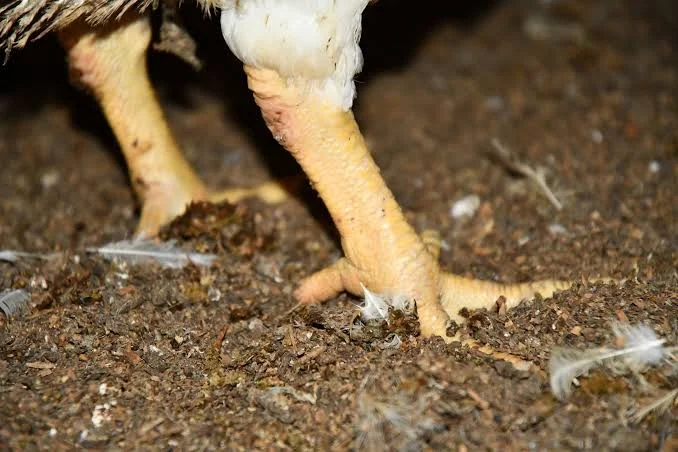
The Danger of Wet Litter in Poultry Barns
Bedding provides a protective layer between chickens and the floor. It absorbs moisture from manure and spilled water while helping maintain a more comfortable surface.
When litter becomes too wet, it can lose its loose structure and become compacted. Wet litter can also contribute to stronger ammonia odors and create conditions that are less suitable for bird health.
Wet bedding can also contribute to footpad dermatitis and other foot injuries. Constant contact with damp, caked litter can damage the skin and make movement uncomfortable for chickens.
Common Causes of Wet Floor Bedding
Wet litter is often caused by several management factors working together.
Poor ventilation can allow humidity to build up and slow the drying of the litter. Leaking drinkers, poorly adjusted water lines, and spilled water can also create persistent wet areas.
Feed and water management may contribute as well. In addition, bedding that is too fine, damp, or poorly suited to the housing conditions can become compacted and hold moisture close to the floor.
Once the litter loses its structure, wet patches, caking, and unpleasant odors can become more difficult to control.
Quick Fixes That Fail to Solve the Problem
Farmers may try to cover wet areas with lime or additional bedding. These methods may provide a temporary change in appearance or odor but do not address the source of excess moisture.
Adding low-quality or unsuitable materials such as raw sawdust or chopped straw may also result in poor absorption and faster compaction.
A more effective approach is to identify the moisture source, improve ventilation and drinker management, and use suitable bedding that can absorb and manage moisture.
Pine Wood Shavings, A Practical Moisture Control Solution
Pine Wood Shavings can help manage moisture by providing an absorbent and workable litter layer. Their porous structure allows them to absorb and retain part of the moisture from manure and minor water spills. Learn more about how Pine Wood Shavings help keep chicken coops dry.
When used with proper ventilation and regular litter management, Pine Wood Shavings can help maintain a drier and more comfortable floor surface.
However, bedding is only one part of moisture control. Leaking drinkers, poor ventilation, and excessive moisture sources should also be addressed to maintain good litter conditions.

Practical Rules for Managing Bedding Moisture
To get the highest performance out of your pine wood shavings investment, simple management habits should be followed on the farm every day.
Spread the Bedding Properly
Before introducing new chicks, spread clean Pine Wood Shavings evenly across the poultry house. This creates a dry and comfortable surface for the birds.
In general, a bedding depth of around 5–8 cm is commonly used to provide sufficient moisture absorption and insulation.
However, when using Highwood Pine Wood Shavings, the highly absorbent and properly processed material can be applied at a much thinner depth of only around 1 cm. This can help farms reduce bedding consumption while still maintaining effective moisture management.
The poultry house should also be fully heated before bedding is spread. This helps minimize condensation from cold concrete floors.
Check Drinking Lines Daily
Inspect the drinking system every morning. Make sure water pressure and nipple height are properly adjusted for the birds’ age and size.
Incorrect settings can cause unnecessary water leakage and spillage, especially around drinking areas where wet litter tends to develop first.
Regular checks help keep moisture under control and prevent small leaks from turning into larger Pine Wood Shavings bedding problems.
Proper water management also helps Pine Wood Shavings remain dry and effective in controlling moisture throughout the poultry house.
Maintain Proper Ventilation
Good ventilation is essential for removing excess moisture from the poultry house and helping Pine Wood Shavings stay dry.
Maintain steady airflow to push warm, humid air outside while avoiding excessive drafts at bird level.
Even during colder weather, completely shutting down ventilation can allow humidity to build up. This can contribute to wet litter, condensation, and an uncomfortable house environment.
Proper ventilation helps Pine Wood Shavings perform effectively in absorbing moisture and maintaining a drier litter surface.
Loosen Bedding and Remove Wet Areas
Regularly rake or loosen the Pine Wood Shavings to prevent compacted areas from trapping moisture.
Pay particular attention to areas around drinking lines, feeders, and other high-traffic zones where manure and spilled water can accumulate.
Remove heavily soiled or wet patches promptly. This prevents moisture from spreading to surrounding Pine Wood Shavings and helps maintain litter quality and bird health.

HIGHWOOD COMPANY LIMITED
We specialize in 100% natural wood products for the cattle, poultry, equine, and soil improvement industries.. We are committed to consistent quality, competitive export pricing, and reliable long-term supply for global business partners.
Contact us now for the best offer!
- Address: 121/35 Le Thi Rieng, Ben Thanh Ward, Ho Chi Minh City, Vietnam
- Tel/WhatsApp: +84 967 684 884
- Email: info@highwood.com.vn
