
Ammonia is a common challenge in commercial poultry houses, especially when litter becomes wet and difficult to manage. Strong ammonia odors can affect the working environment and signal poor litter conditions.
For poultry producers, bedding should do more than cover the floor. It should help manage moisture and maintain workable litter throughout the production cycle. This is where Pine Wood Shavings for chicken bedding can play a useful role.
However, Pine Wood Shavings do not directly “remove” ammonia. Their main benefit is moisture management: by helping keep litter drier and easier to maintain, they can support better conditions for ammonia control.

Why Is Ammonia a Problem in Poultry Houses?
Ammonia forms naturally as poultry manure breaks down. Its levels inside the house can be influenced by litter moisture, temperature, ventilation, manure accumulation, bird density, and litter management.
Wet litter can become compacted and difficult to manage, especially around drinkers and other areas where moisture accumulates. For this reason, ammonia control should be considered as part of overall litter and moisture management.
What Does Litter Moisture Have to Do With Ammonia?
The relationship between litter moisture and ammonia is more complex than simply saying that more moisture always means more ammonia.
A Poultry Science study by Miles, Rowe, and Cathcart found that higher litter moisture suppressed ammonia volatilization under the experimental conditions (Miles et al., 2011).
This highlights the importance of managing actual litter conditions rather than relying on a simple assumption. In commercial poultry houses, producers should also control wet areas, caking, drinker leaks, and ventilation to maintain workable litter.
How Can Pine Wood Shavings Support Ammonia Control?
Pine Wood Shavings mainly support ammonia management through their role as bedding. They provide a layer between the birds and floor while helping absorb and retain some moisture from manure and spilled water.
However, Pine Wood Shavings do not directly neutralize or remove ammonia. They are one part of a broader management system that also includes ventilation, drinker maintenance, and regular litter monitoring. Learn more about moisture management with Pine Wood Shavings.

Pine Wood Shavings Help Manage Moisture in the Litter
Pine Wood Shavings provide an absorbent layer that can help distribute and retain moisture within the litter. This can help prevent moisture from remaining concentrated on the floor.
Their performance depends on factors such as particle size, moisture content, bedding depth, ventilation, bird density, and manure accumulation. Simply adding more bedding may not solve the problem if the source of excess moisture is not addressed.
Better Litter Conditions Can Support Ammonia Management
Effective ammonia management starts with identifying areas where moisture repeatedly accumulates. Drinkers, ventilation, condensation, temperature, and litter distribution should all be checked when wet areas appear.
If litter becomes heavily wet or caked, the affected material can be removed and replaced with fresh Pine Wood Shavings. This does not directly eliminate ammonia, but it helps restore a more workable litter layer.
Pine Wood Shavings Can Make Litter Easier to Manage
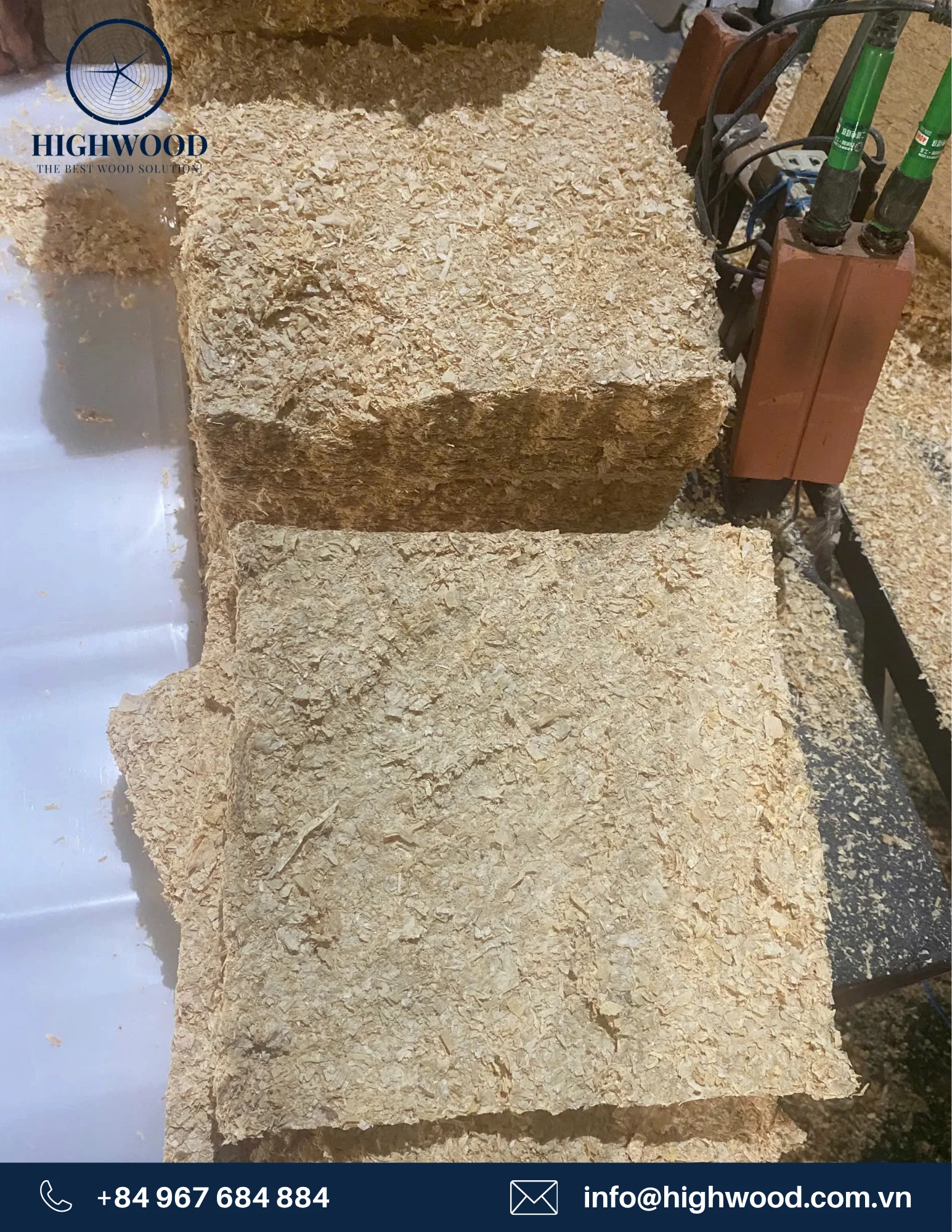
Good bedding should remain practical to monitor, redistribute, and replace when necessary. Pine Wood Shavings can provide a loose litter layer that is easier to maintain than heavily compacted or caked material.
Regular checks can help identify darker, wetter, or more compacted areas early. Addressing these problems before they spread can support better litter conditions throughout the production cycle.
Bedding Works Together With Ventilation
No bedding material can control ammonia on its own. Ventilation helps remove excess moisture and gases while maintaining suitable conditions inside the poultry house.
If ventilation is poor, moisture can accumulate even with suitable bedding. Pine Wood Shavings should therefore be used as part of a broader system that includes ventilation, drinker maintenance, litter monitoring, and timely removal of wet areas.
Can Pine Wood Shavings Reduce Ammonia Odor?
Pine Wood Shavings may support ammonia odor management, but they should not be described as a direct ammonia remover.
Their main role is to help manage moisture and maintain workable litter conditions. If ammonia odor becomes noticeable, producers should also check for leaking drinkers, poor ventilation, excessive manure, or persistent wet spots.
Addressing the underlying cause is more effective than simply adding fresh bedding.
How to Use Pine Wood Shavings More Effectively
Before adding fresh bedding, make sure the poultry house is clean, dry, and free from obvious water leaks. Spread Pine Wood Shavings evenly to create a consistent litter layer.
During the production cycle, regularly check areas around drinkers and other locations where moisture tends to accumulate. Wet or heavily caked sections should be removed and replaced with fresh bedding when necessary.
Ventilation should also be managed according to bird age, temperature, humidity, and house conditions. Together, suitable bedding, moisture control, and airflow help maintain more workable litter.
Pine Wood Shavings as Part of a Practical Ammonia Control Strategy
Ammonia management depends on several factors, including litter moisture, ventilation, manure accumulation, stocking density, temperature, and drinker management.
Pine Wood Shavings can support this system by providing an absorbent and manageable litter layer. Research by Miles et al. (2011) also shows that the relationship between litter moisture and ammonia is more complex than simply assuming that higher moisture always produces more ammonia.
The practical focus should therefore be on overall litter management rather than relying on one material or treatment.
Conclusion
Pine Wood Shavings can support ammonia management by helping maintain workable litter conditions and manage moisture. However, effective ammonia control also requires proper ventilation, drinker maintenance, regular litter checks, and timely action on wet areas.
HIGHWOOD COMPANY LIMITED
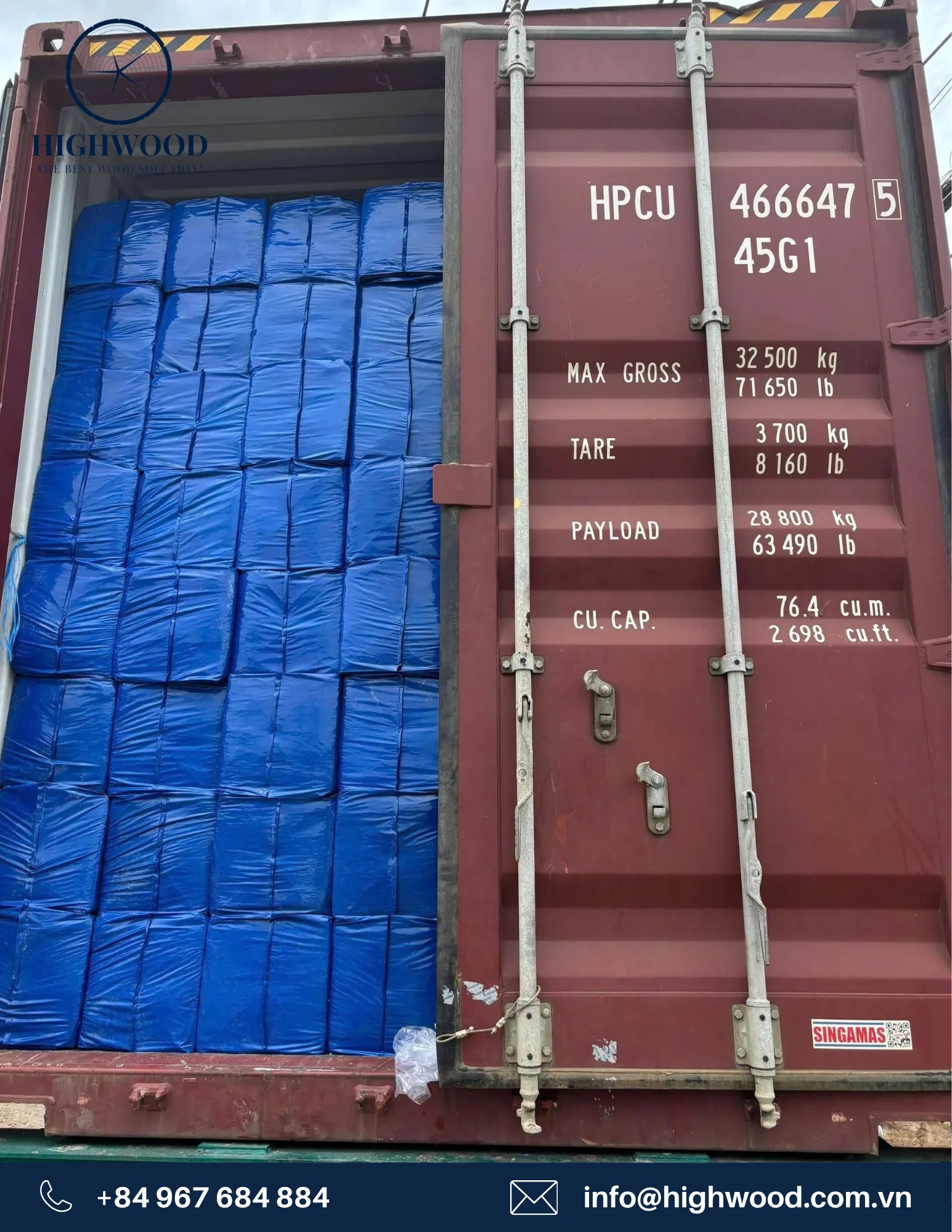
We specializes in 100% natural wood products for the cattle, poultry, equine, and soil improvement industries.. We are committed to consistent quality, competitive export pricing, and reliable long-term supply for global business partners.
Contact us now for the best offer!
- Address: 121/35 Le Thi Rieng, Ben Thanh Ward, Ho Chi Minh City, Vietnam
- Tel/WhatsApp: +84 967 684 884
- Email: info@highwood.com.vn
